Natural Forms
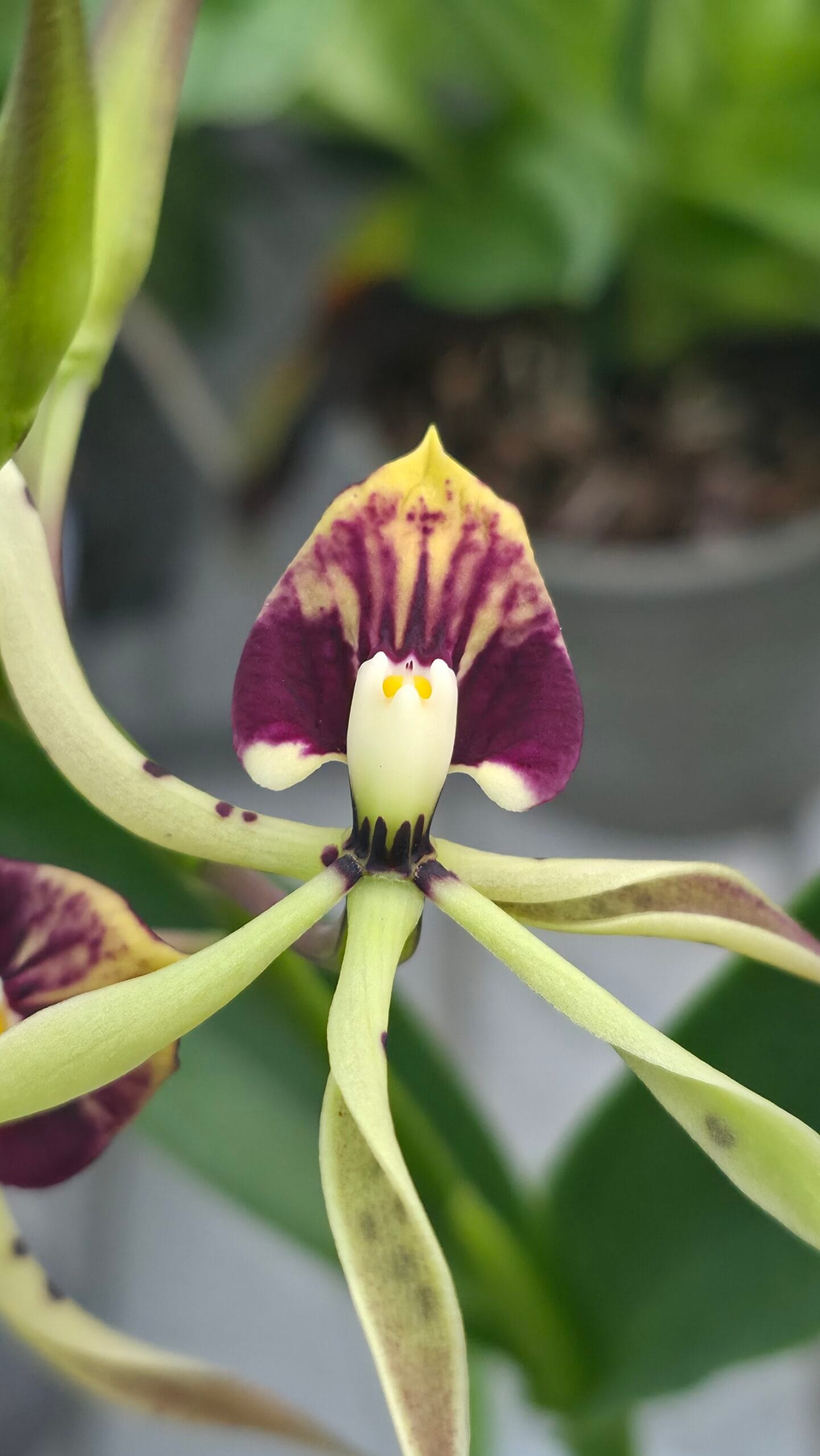
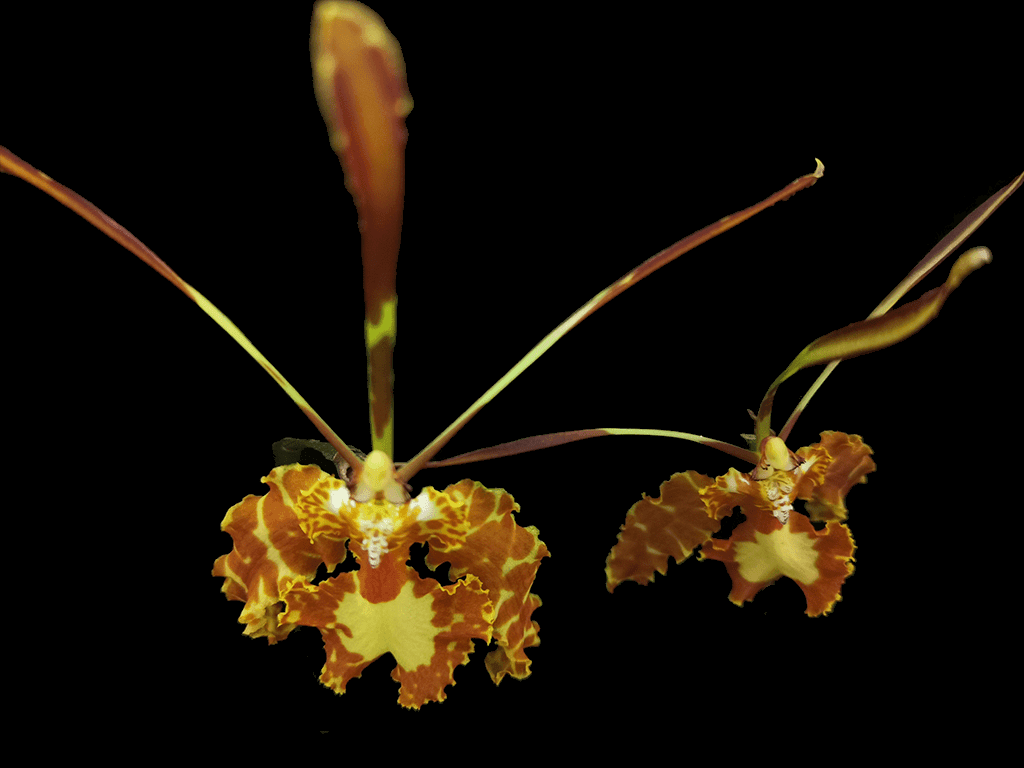
Psychopsis Mariposa ‘Green Valley’€35.00
Talk to us to find out when it is back, or let us suggest an alternative.
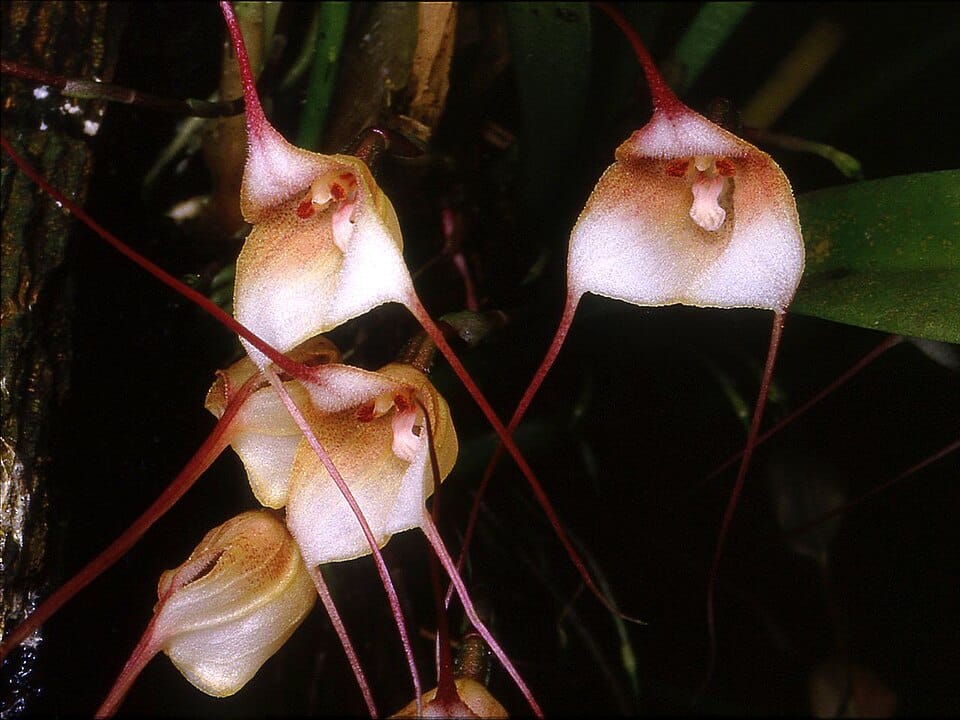
The Dracula venosa stands out as one of the most intriguing and exotic species in the botanical world. Native to the high-altitude forests of Colombia, this orchid belongs to a genus famous for flowers that resemble the face of a primate. Thus, it becomes an absolute object of desire for collectors seeking rare, dramatic plants with a touch of mystery.
Uniquely Shaped Flowers: 🧛 The name "Dracula" (little dragon) refers to the long extensions of the sepals, which end in fine, dark tails. The flowers of Dracula venosa display creamy or yellowish tones with strongly marked brownish or purplish veins (nerves). Therefore, the visual contrast is mesmerising.
Pendent Flowering Habit: 📉 Unlike most orchids, the flower spikes of this species often grow downwards or sideways, through the substrate. Consequently, mesh baskets are essential to allow the flowers to emerge freely.
Epiphytic Growth Habit: 🌳 In the wild, it inhabits cloud forests, where humidity is constant and light is filtered by mist. Furthermore, the plant has no pseudobulbs, meaning it does not store large water reserves and requires daily attention.
Oscillating Labellum: 👅 The labellum (lip) of this orchid is hinged and resembles a small mushroom. Thus, it attracts specific pollinators through a sophisticated visual and chemical strategy.
Growing Dracula venosa is considered a rewarding challenge, requiring conditions that mimic the cool, humid environment of the mountains.
Light: ☁️ This orchid prefers moderate shade or weak indirect light. As it is a plant of dense forests, avoid any direct sun exposure, which can dehydrate or burn the sensitive leaves within minutes.
Temperature: ❄️ It requires cool to cold conditions. The secret to success lies in keeping daytime temperatures below 22ºC and night-time temperatures between 10ºC and 15ºC. Excessive heat is this species' greatest enemy.
Humidity: 💧 Very high relative humidity (above 80%) is vital. Therefore, using humidifiers or growing in cool greenhouses is highly recommended to prevent the leaf tips from drying out.
Watering: 🚿 Keep the substrate always moist, but never waterlogged. As the plant has no pseudobulbs, it does not tolerate drying out completely between waterings. Use water of excellent quality (rainwater or distilled), as it is sensitive to excess salts.
Substrate: 🪴 Ideal cultivation should be carried out in mesh baskets (wire or perforated plastic cachepots). Use pure sphagnum moss or mix it with fine pine bark to ensure humidity is retained while the flower spike can pass through the base.
Ventilation: 🌬️ A constant, fresh breeze is essential. However, ensure the moving air is humid, otherwise the plant will dehydrate quickly.
Feeding: 🧪 Apply a balanced fertiliser, heavily diluted (1/4 of the dose), every 15 days. In this way, you provide nutrients without causing the build-up of mineral salts that burn delicate roots.
Pest Monitoring: 🐜 Regularly check for slugs and snails, which are attracted to humid environments and love the flowers and tender shoots of this orchid.
With its dramatic forms and cool-climate requirements, Dracula venosa will turn your growing space into a true mystical forest scene.
News from our greenhouse in Fernão Ferro, for people who grow with passion.
By subscribing, you accept our Privacy policy. You can unsubscribe at any time.