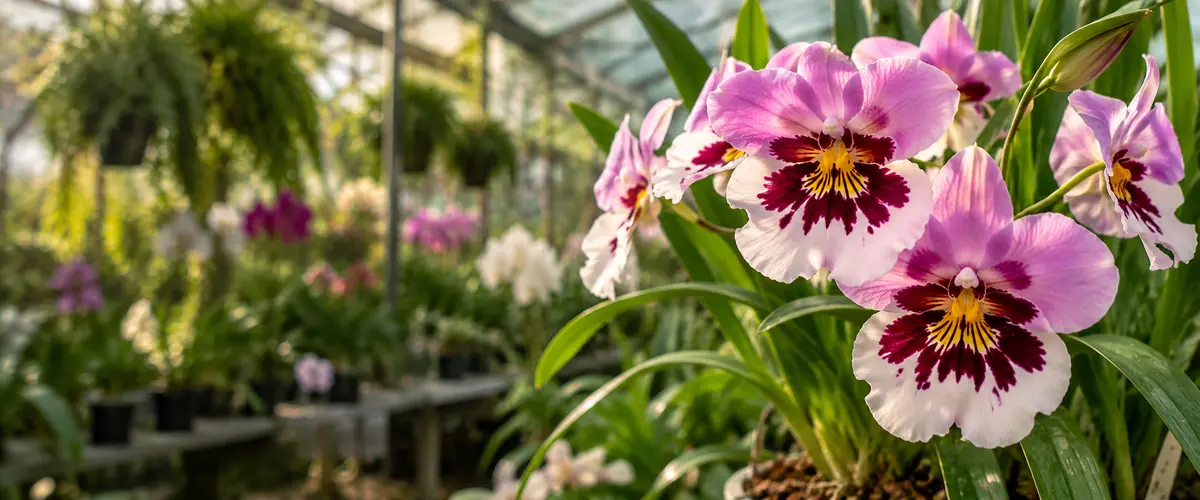
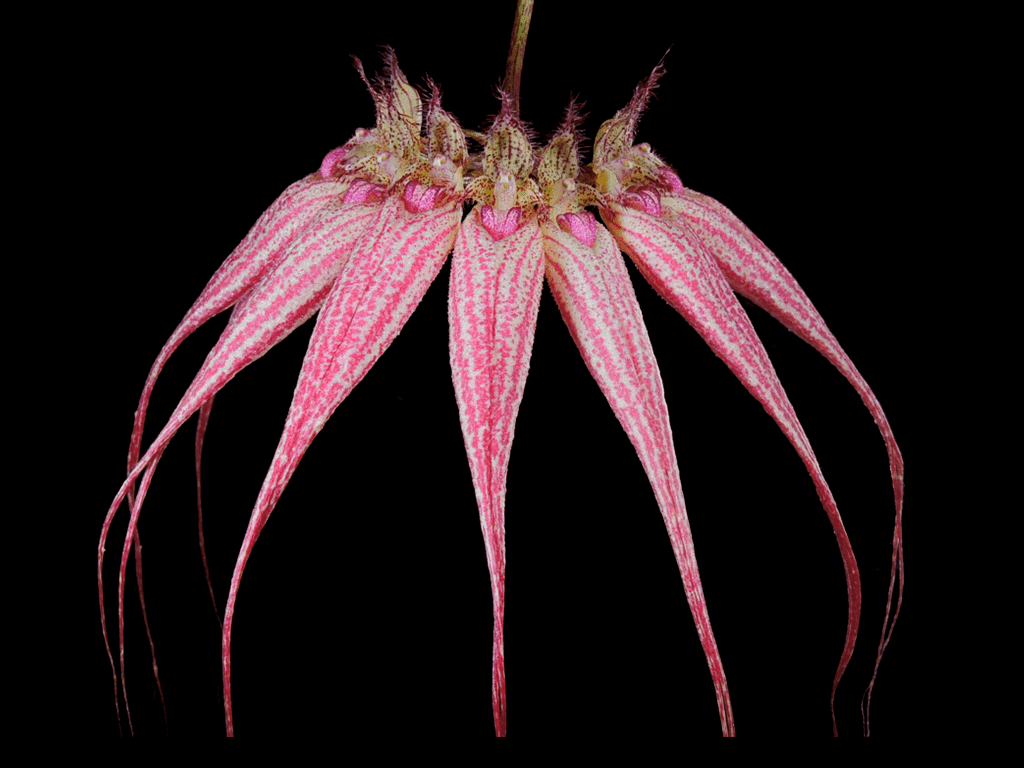
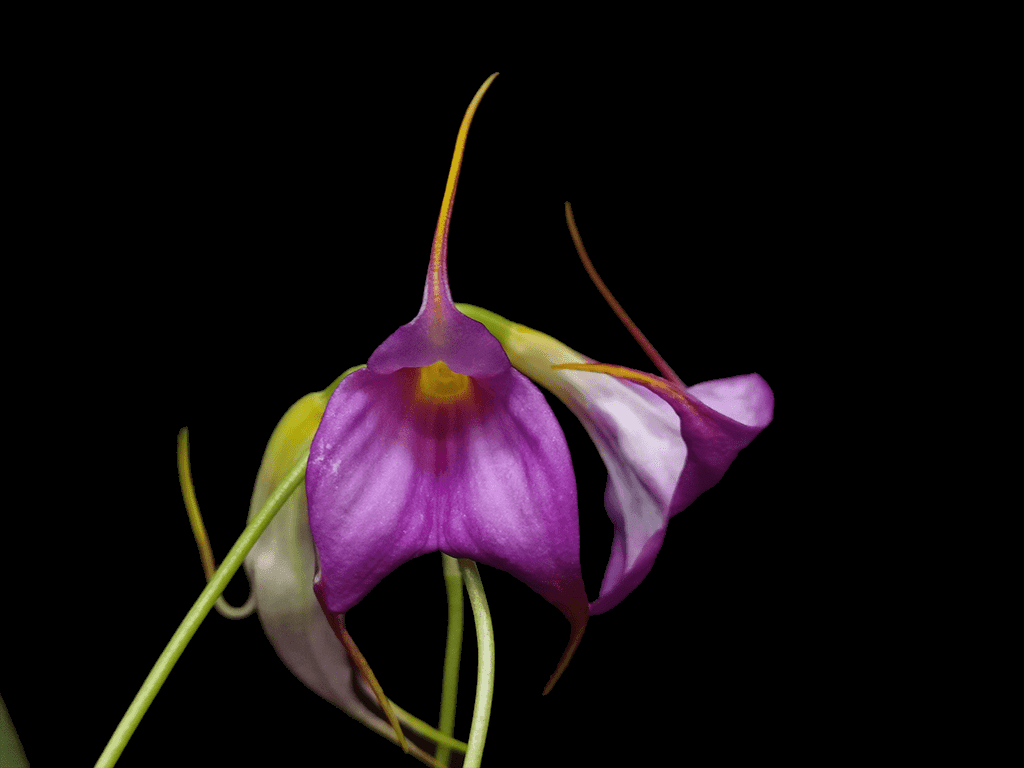
Masdevallia
Masdevallia Sephi Orion€18.00
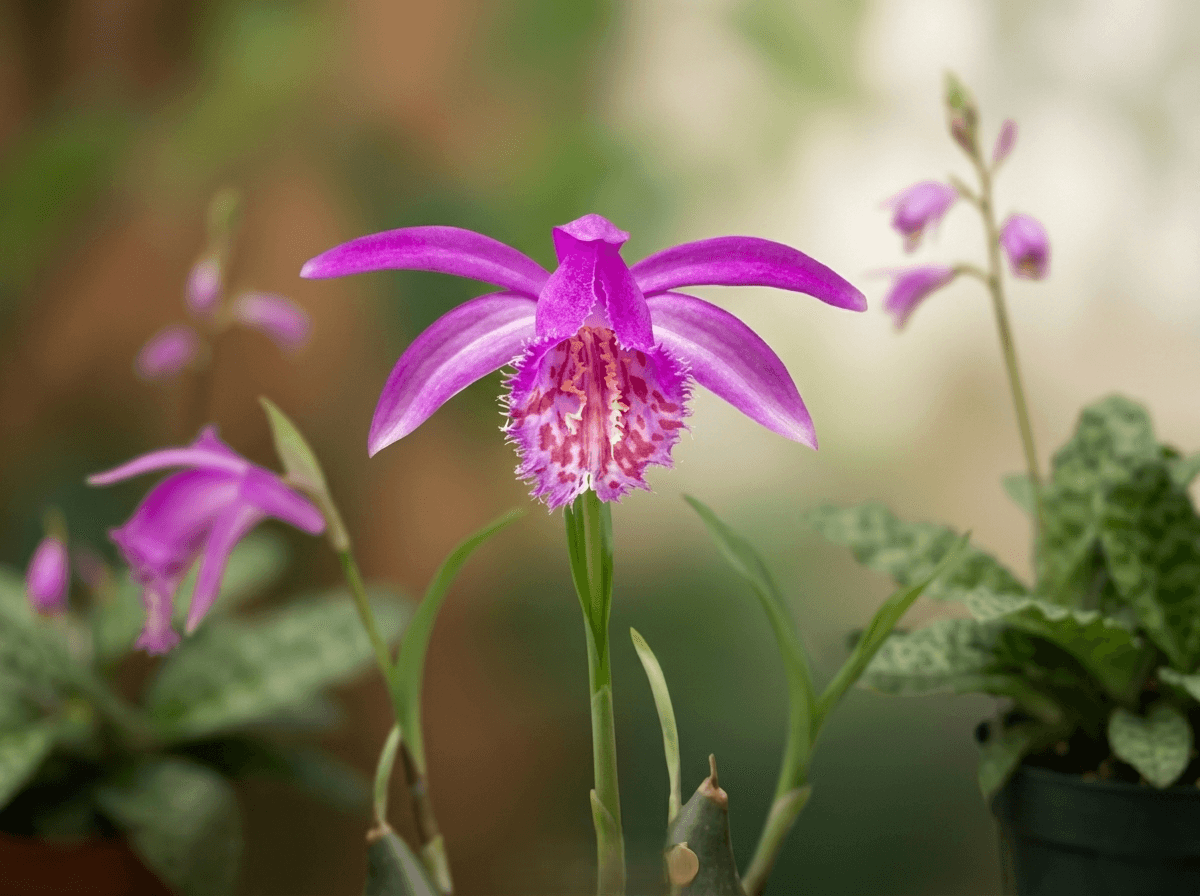
The Pleione tongariro is one of the best-known, most robust and most free-flowering hybrids in the entire Pleione genus. Resulting from a cross between Pleione Formosana and Pleione Speciosa (also known as Pleione pleionoides), this terrestrial and lithophytic orchid hybrid is highly acclaimed by enthusiasts and collectors of temperate and cool-climate orchids thanks to its remarkable ease of cultivation and the striking beauty of its early spring blooms.
The Pleione tongariro immediately stands out for its solitary or paired flowers, generously sized in proportion to the plant, which emerge directly from the base of the pseudobulbs before the leaves appear. The petals and sepals display an extremely vibrant purple-pink to magenta colouring, while the distinctive tubular, fringed lip features intense reddish markings and spots on a paler background. Growing the Pleione tongariro brings into your space a fascinating orchid with an annual cycle, perfect for anyone who appreciates plants with a well-defined winter dormancy.
The secret to success in growing the Pleione tongariro lies in understanding its dual biological cycle: a period of active, moist growth in spring/summer, followed by a strict, dry dormancy in winter.
During the active growth phase (spring and summer), the Pleione tongariro appreciates a spot with plenty of light, but properly filtered (partial shade to 50%). Avoid direct exposure to strong sun during the middle of the day, as this can scorch the tender foliage. In winter, during dormancy, the plant does not need light, and the pseudobulbs can be stored in a cool, dark place.
The Pleione tongariro requires a cold rest period in winter to induce flowering the following spring. During the cold months, the plant loses its leaves and enters complete dormancy, and should be kept at cool temperatures, ideally between 2°C and 10°C. It is very tolerant of moderate cold, as long as it is kept completely dry. In summer, it prefers cool, well-ventilated surroundings.
Watering should follow the stages of the Pleione tongariro's life cycle very closely:
The Pleione tongariro has shallow, annual roots, so it is best suited to shallow pots or well-drained bowls. The substrate should be light, airy, slightly acidic and able to retain moisture without compacting. An ideal mix consists of small to medium-grade pine bark combined with high-quality sphagnum moss and perlite to ensure perfect drainage. Avoid heavy substrates that hold excess water.
Proper nutrition during the short summer growing period is essential for the Pleione tongariro to store up energy in the new pseudobulb that will produce next year's flower.
Just after flowering has finished and as soon as the new leaves begin to expand actively, apply the Orchid Focus Grow fertiliser diluted in water every two weeks. This nutrition, rich in nitrogen and micronutrients, will boost the development of healthy foliage and strong roots.
From mid-summer until early autumn, switch to Orchid Focus Bloom. The boost of phosphorus and potassium will help the pseudobulb to mature, stimulating the formation of the flower buds that will lie dormant throughout the winter.
Explore our full range of fertilisers and growing support products in the orchid fertilisers category. For more in-depth botanical information and recorded data on the genus Pleione, visit the international platform Plants of the World Online (Kew Science).
Add the Pleione tongariro to your collection and enjoy one of the most fascinating and rewarding terrestrial orchids in the botanical world!
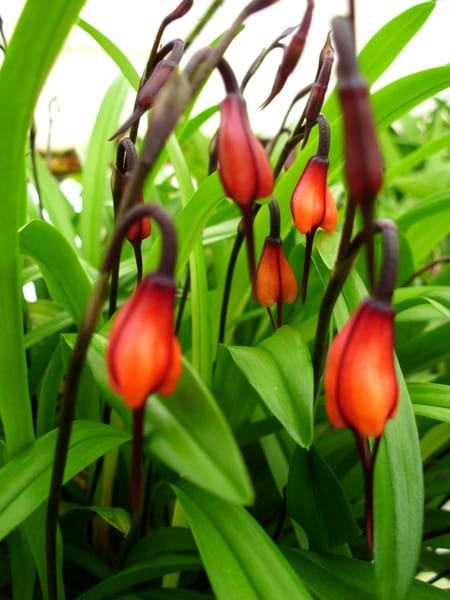
News from our greenhouse in Fernão Ferro, for people who grow with passion.
By subscribing, you accept our Privacy policy. You can unsubscribe at any time.