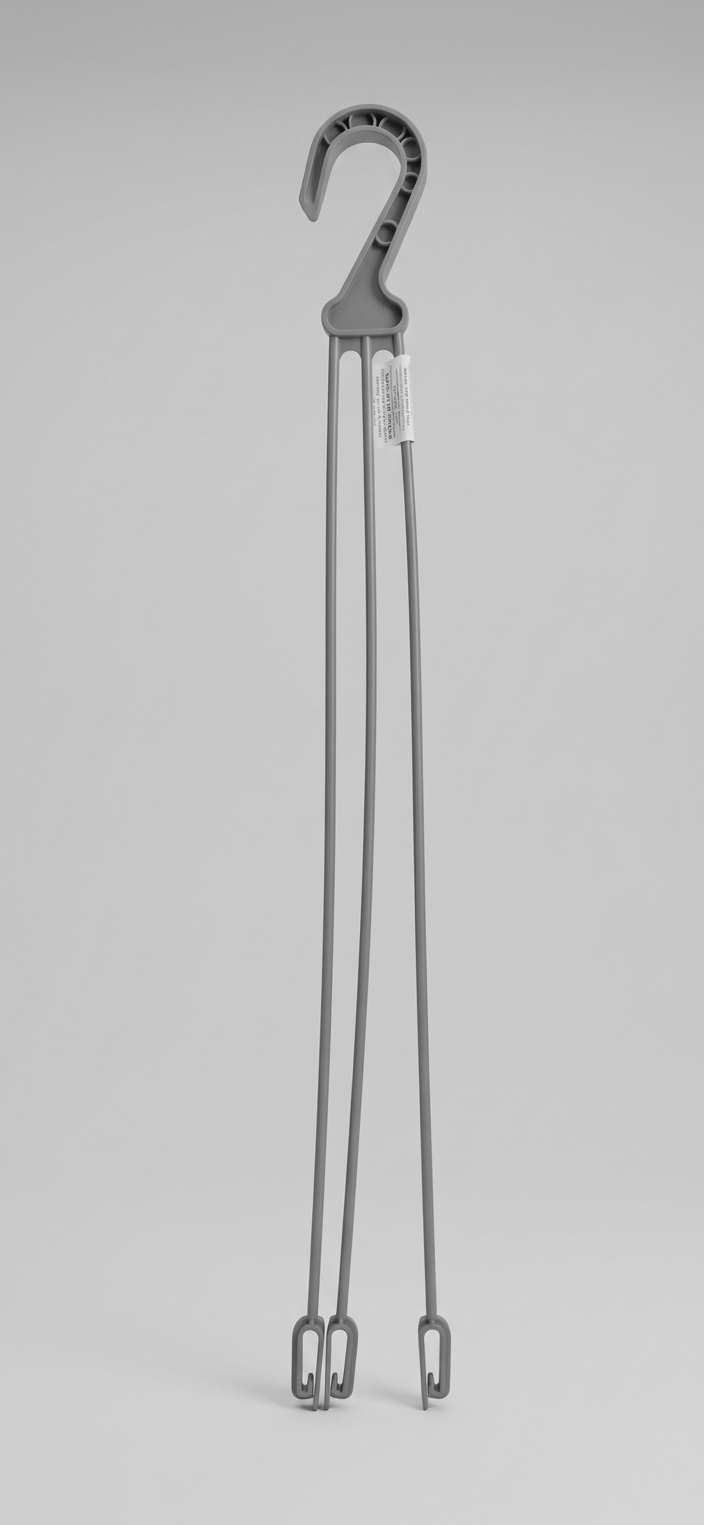
Pot holders
Plastic Hangers 50cm€0.75
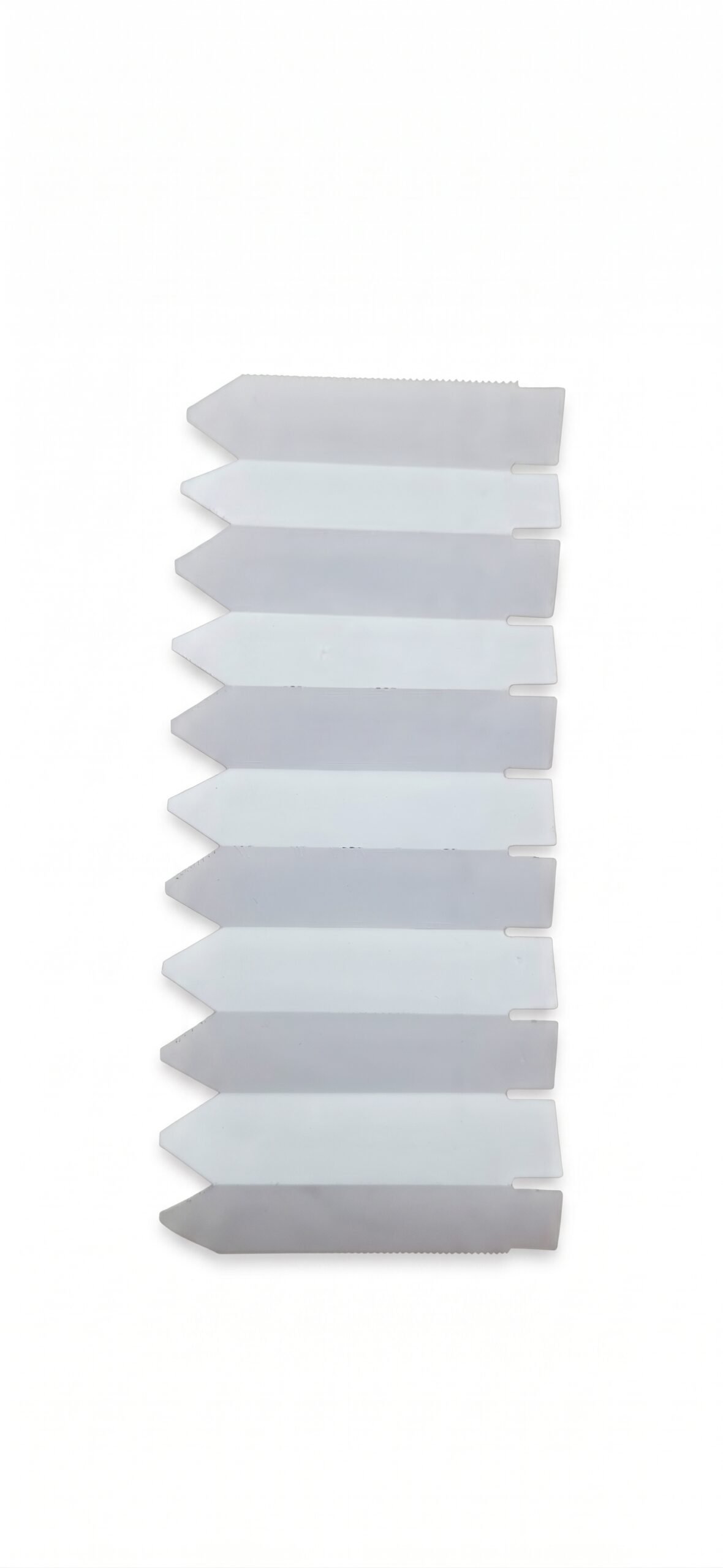
Práticas e resistentes, perfeitas para uma identificação clara e duradoura das suas plantas!
These plant labels, made from high-resistance plastic 180 microns thick and measuring 22x100mm, are the essential accessory for keeping any botanical collection, greenhouse or nursery strictly organised. Designed specifically to withstand the demands of daily cultivation, these plant labels let you record clearly and permanently the species name, the repotting date, genetic crosses or feeding notes.
With a practical 22x100mm format, these plant labels offer a large, ergonomic writing surface, while being easy to insert into any pot without damaging the most delicate roots of your orchids, bromeliads or succulents.
To get the most from your plant labels and make sure the identification of your plants stays legible for many years, follow these practical recommendations used by horticultural professionals.
The surface of the 180 micron plant labels has been designed to hold ink effectively. To ensure the writing does not fade with watering or sunlight, use a soft graphite pencil (HB or 2B type) or a UV-resistant permanent marker. Graphite is exceptionally durable on plastic, staying legible for years and can be rubbed out if you wish to reuse the label.
Insert the end of the plant labels next to the inner edge of the pot, carefully sliding it between the plastic of the pot and the substrate. This way, you avoid direct contact with the centre of the root ball and protect new roots from possible mechanical damage.
Use the 22x100mm of usable area to note the scientific or commercial name of the plant on the front and, on the back, the date of the last repotting, the origin of the plant or the fertilising schedule. Keeping a detailed record on the plant labels makes it easier to monitor plant health and track the flowering cycle of each species.
Thanks to the chemical and mechanical resistance of the 180 microns, these plant labels can be washed, disinfected with alcohol or a mild cleaning solution, and reused whenever necessary, reducing material waste in your growing space.
Keeping your plant labels properly filled in is the first step towards successful cultivation, allowing you to adjust the watering and nutrition plan of each variety precisely to its specific needs.
Combine the careful identification of your plants with balanced nutrition using the fertilisers in our range, available in the orchid fertilisers category. To confirm the exact scientific nomenclature before writing on your labels, you can consult the international taxonomic database Plants of the World Online (Kew Science).
Get your 180 micron (22x100mm) plant labels now and keep your whole collection perfectly identified and organised!
News from our greenhouse in Fernão Ferro, for people who grow with passion.
By subscribing, you accept our Privacy policy. You can unsubscribe at any time.