Description
Cattleya (Laelia purpurata x C. violacea): The Hybrid Beauty of the South
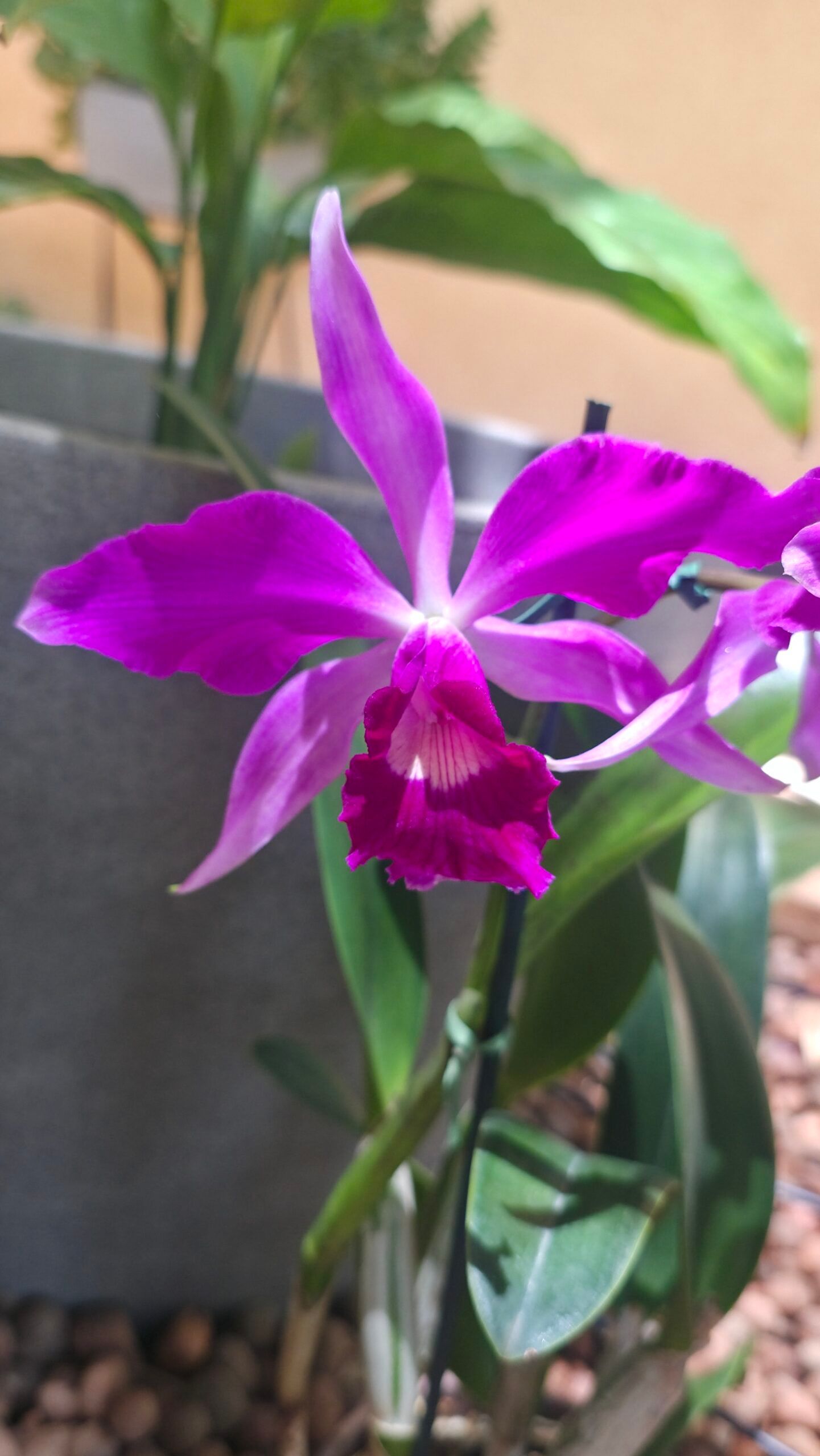
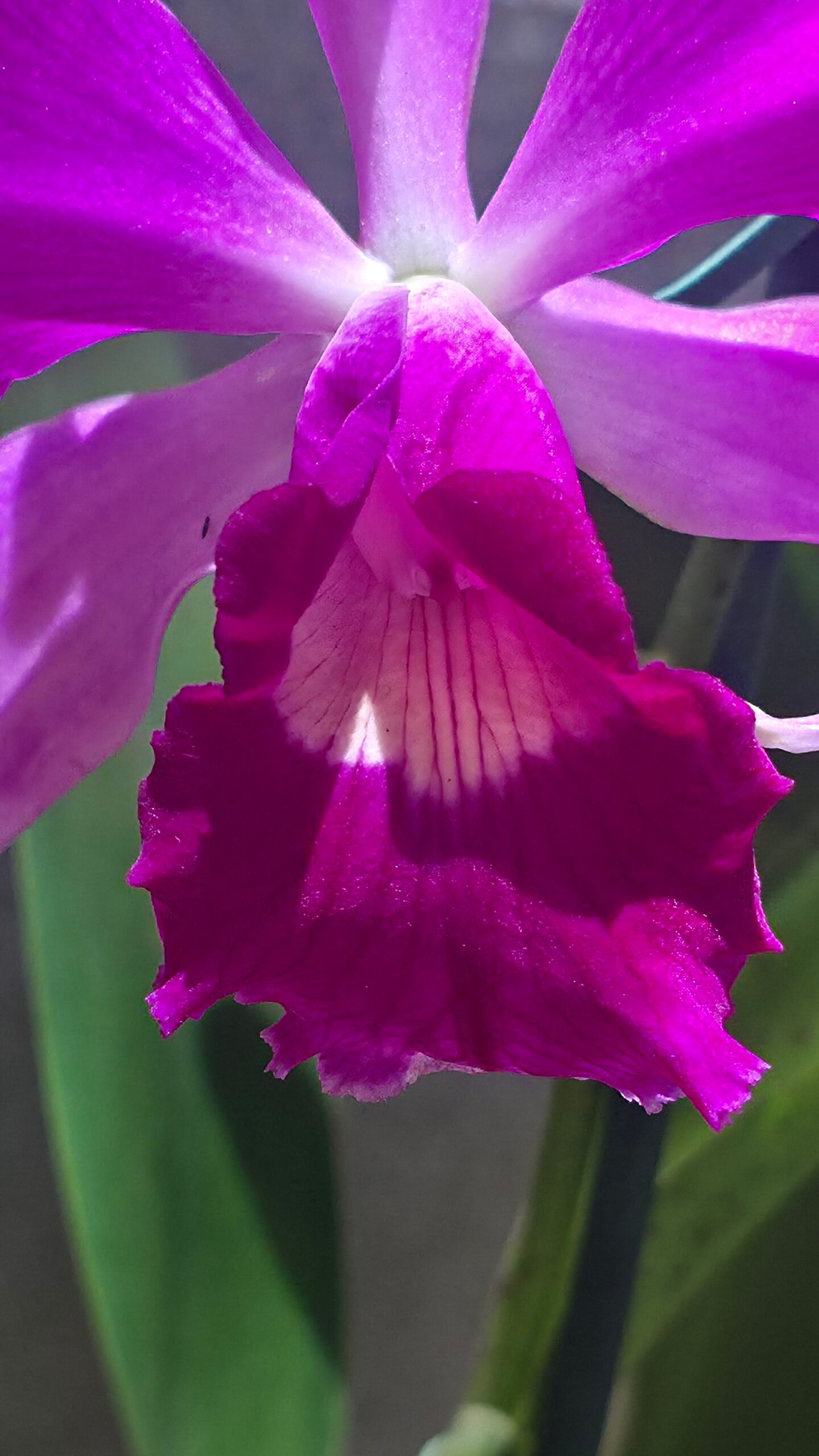
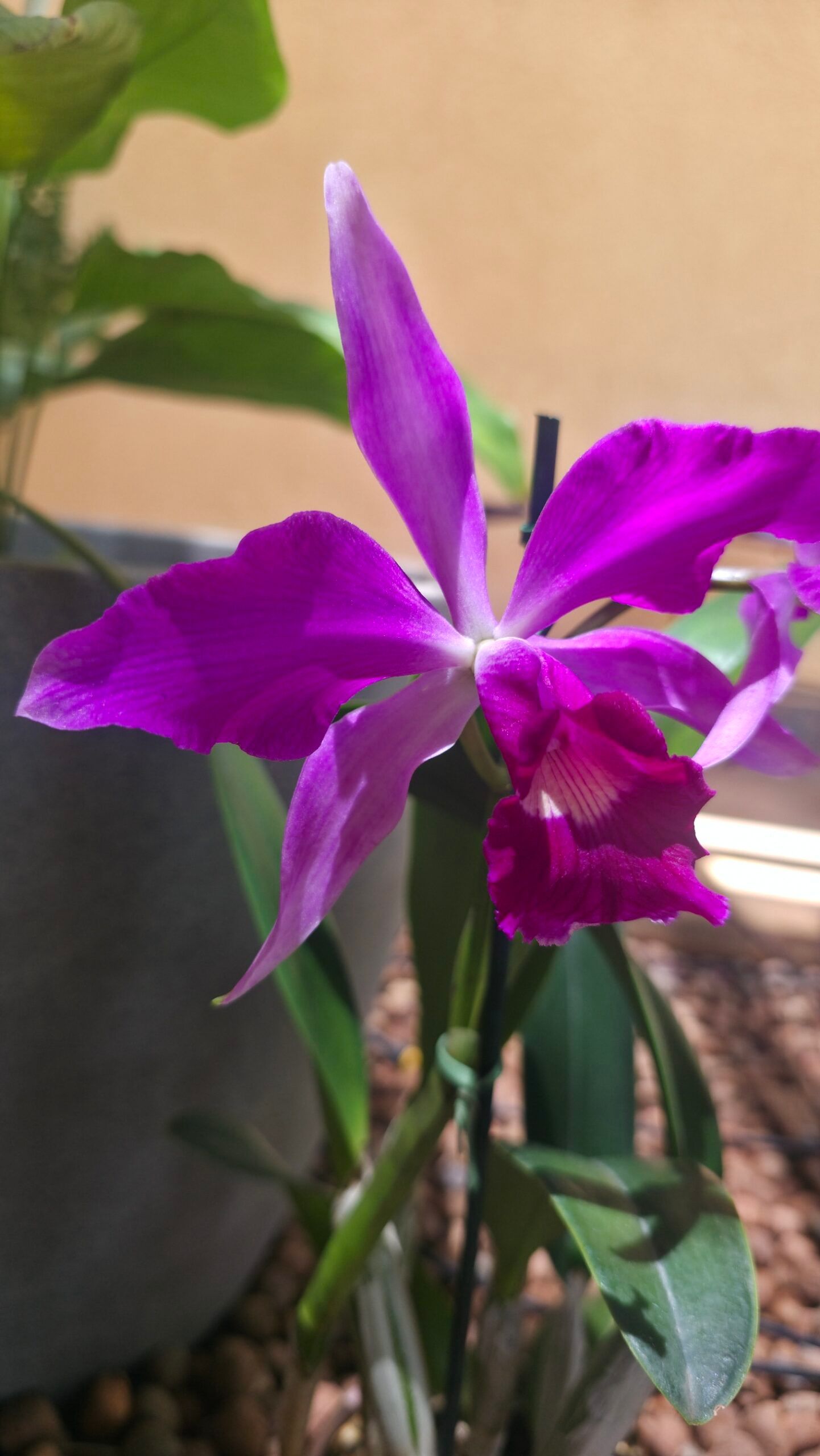
The Cattleya hybrid (Laelia purpurata x C. violacea), often registered under specific cultivar names, is a cross that combines the elegance and large size of Laelia purpurata with the intense color and fragrance of Cattleya violacea. The result is a plant capable of producing stunning flowers with a delightful scent.
Key Characteristics:
- Showy and Colorful Flowers: The flowers are expected to be large and of excellent substance. The color tends to be influenced by the strong pigment of C. violacea, resulting in petals and sepals in shades of pink to purple, often with a darker, striking lip inherited from L. purpurata.
- Epiphytic Growth Habit: This is an epiphytic orchid, meaning it naturally grows on tree trunks and branches, using them as support.
- Size and Vigor: The hybrid tends to be a medium to large-sized, robust, and vigorous plant, inheriting the resilience of both parent species.
- Potential Fragrance: Since C. violacea is known for its fragrance, there is a good chance this hybrid will also have a pleasant scent.
Cultivation of the Cattleya Hybrid (Laelia purpurata x C. violacea)
- Light: Prefers bright, indirect light. It’s essential to provide abundant light to stimulate flowering, but avoid direct sun during the hottest hours to prevent leaf burn.
- Temperature: Enjoys mild to warm temperatures, ideally between 20°C{C} and 30°C{C} during the day. A difference of 5°C{C} to 10°C{C} between day and night is beneficial.
- Humidity: High humidity is beneficial, ideally between 60% and 70%. Ensure excellent air circulation to prevent water accumulation on the leaves.
.
- Watering: Water thoroughly but allow the substrate to dry completely between waterings. Increase watering during the growing season and reduce it in winter.
- Substrate: Use a specific substrate for epiphytic orchids with excellent drainage and aeration. A mix of medium/coarse pine bark, charcoal, and coconut chips works very well.
- Fertilization: Fertilize monthly during the active growth period (spring and summer) with a balanced orchid fertilizer diluted to half strength. Reduce or suspend fertilization in winter.
- Repotting: Repot every 2–3 years, or when the substrate breaks down or roots outgrow the pot. Do it when new roots begin to grow.
Additional Caree.
- Ventilation: Ensure good air circulation to prevent fungal diseases and rot.
- Pests and Diseases: Watch for pests like mealybugs and aphids. Inspect regularly and treat promptly if any issues arise.
With proper care, this Cattleya hybrid will bloom annually, rewarding you with large, colorful, and potentially fragrant flowers that bring a touch of tropical elegance to your space.






Reviews
There are no reviews yet